
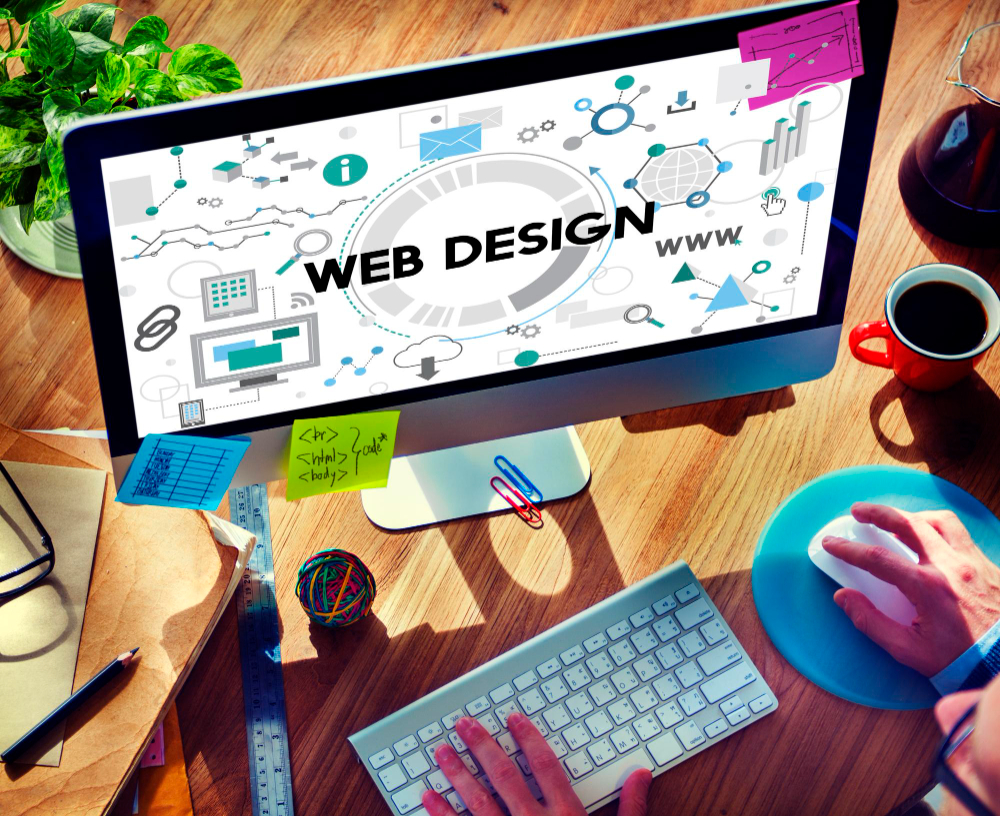
Web design in 2024 is evolving rapidly, bringing new ideas, improved user experiences, and visually engaging layouts that capture attention instantly. As technology advances, websites are no longer just about information but about creating immersive and interactive digital experiences for users. One of the most noticeable trends this year is the continued dominance of minimalist design, where simplicity, clean layouts, and clear messaging help users navigate content easily without distractions. Alongside this, dark mode has become increasingly popular, offering a sleek and modern look while also reducing eye strain, especially for users browsing at night or in low-light environments.
Another major trend shaping web design is the use of micro-interactions, which are small animations or visual responses that occur when users interact with elements like buttons, links, or forms. These subtle details significantly enhance user engagement and make websites feel more intuitive and responsive. Artificial intelligence is also playing a bigger role in web design, enabling personalized experiences where content adapts based on user behavior, preferences, and browsing history, making each visit more relevant and engaging.
Typography is also becoming a central design element, with bold and expressive fonts being used to grab attention and communicate brand identity effectively. Designers are experimenting with large text, unique font styles, and creative layouts to make content stand out. At the same time, 3D elements and immersive visuals are transforming the way websites look and feel, adding depth and realism that capture users’ interest and keep them engaged longer.
Mobile-first design remains a top priority in 2024, as the majority of users now access websites through their smartphones. Ensuring that websites are fully responsive and optimized for mobile devices is no longer optional but essential for success. In addition, voice search optimization is becoming increasingly important as more users rely on voice assistants to find information online, prompting designers to structure content in a more conversational and accessible way.
Sustainability is another emerging focus in web design, with designers adopting eco-friendly practices such as optimizing images, reducing unnecessary animations, and improving performance to lower energy consumption. Visual styles like neumorphism and glassmorphism are also trending, adding soft shadows, depth, and transparency effects that create modern and visually appealing interfaces.
Website performance continues to be a critical factor, with fast loading speeds and smooth functionality directly impacting user satisfaction and search engine rankings. Accessibility is equally important, as designers aim to create inclusive experiences that cater to users of all abilities by following best practices such as proper contrast, readable fonts, and keyboard navigation support.
Another engaging trend is scroll-based storytelling, where content unfolds as users scroll down the page, creating a narrative experience that keeps visitors interested and encourages them to explore further. This approach is particularly effective for showcasing products, services, or brand stories in a more interactive and memorable way.
As we move further into 2024, it is clear that web design is becoming more user-focused, visually dynamic, and technologically advanced. By staying updated with these trends and implementing them thoughtfully, businesses and designers can create websites that not only look modern but also deliver meaningful and engaging user experiences that stand out in today’s competitive digital landscape.